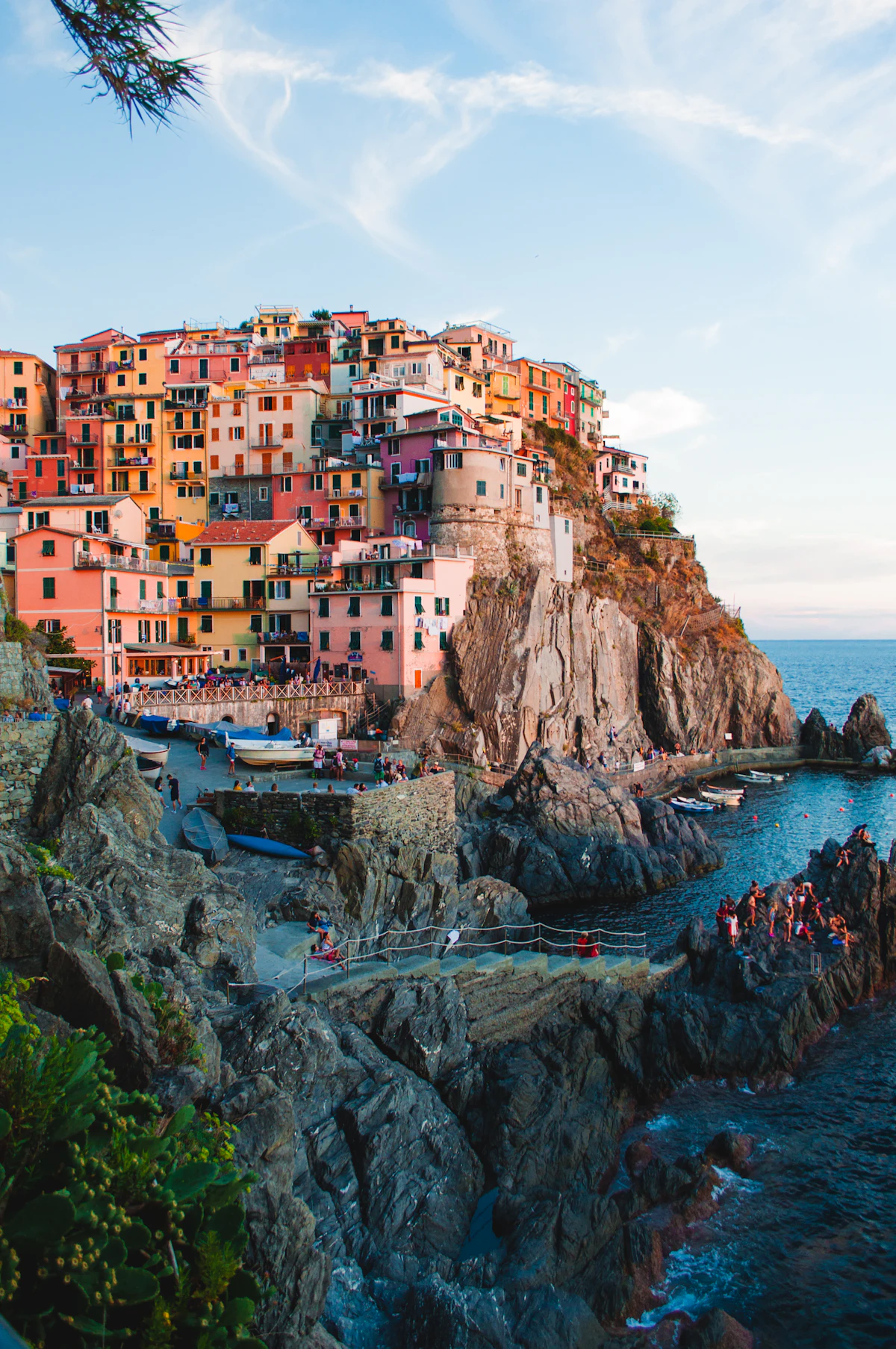
Planning an Italy trip from Australia in 2026? You’re looking at 24+ hours of travel each way — but Italy remains Europe’s single most rewarding long-haul destination. Three UNESCO world-heritage cities within 2 hours of each other by high-speed train, food that matches the reputation, and landscapes that are genuinely hard to beat. This guide covers what the trip costs in AUD, which flights to book from Sydney, Melbourne, and Brisbane, the best months to go, and a practical two-week itinerary.
Quick Verdict
- Best for: history, food, architecture, the Amalfi Coast, Tuscany wine country
- Visa: 90 days visa-free for Australians (Schengen)
- Flight time: 22–26 hours from Sydney/Melbourne with one connection
- Return flights: AUD 1,800–3,200 from Sydney
- Total trip (2 weeks, mid-range): AUD 7,500–11,000 per person including flights
- Best months: April–June, September–October
Flights from Australia to Italy: What to Book in 2026
No carrier flies direct from Australia to Italy — every route connects via a Middle Eastern or Asian hub.
Sydney (SYD) to Rome (FCO):
- Emirates via Dubai — 23–24 hrs total, AUD 1,800–2,800 return. Consistently lowest fares; book 3–4 months out for the best prices.
- Qatar Airways via Doha — 22–23 hrs total, AUD 1,850–2,700 return. Strong on-time record and business class if you’re going premium.
- Singapore Airlines via Singapore — 23–24 hrs total, AUD 2,000–2,900 return. Larger seats in economy and good food; connects to Rome via codeshare with ITA Airways.
- Etihad via Abu Dhabi — 23–24 hrs total, AUD 1,900–2,600 return.
Search Sydney to Rome flights →
Melbourne (MEL) to Rome: Similar routings. Emirates and Qatar both serve Melbourne with slightly lower base fares than Sydney — AUD 1,750–2,800 return. Search Melbourne to Rome flights →
Brisbane (BNE) to Rome: Qatar Airways via Doha is the cleanest option — AUD 1,900–3,100 return. Emirates also serves Brisbane direct to Dubai. Fewer options means fewer fare drops; book earlier.
Entry point: Fly into Rome (FCO) if you’re doing the classic south-to-north route. If you want to start in Milan and work south, fly into Milan Malpensa (MXP) — fares are similar. Venice (VCE) has limited inbound long-haul connections and is often more expensive.
Booking tip: For a trip in April–June (peak travel season for Australians), book flights in December–January. For September–October, book May–June. Prices jump 30–40% inside 6 weeks of departure.
Visa: Do Australians Need One?
No. Australian passport holders enter Italy visa-free under the Schengen Agreement and can stay up to 90 days within any 180-day period across the entire Schengen Zone. No visa application, no fee — just a valid passport and a return ticket.
Italy is fully in the Schengen Area, which means you can move freely into France, Switzerland, Austria, and other Schengen neighbours without separate entry formalities. Useful if you plan to cross into the French Riviera or Slovenia.
ETIAS (European Travel Information and Authorisation System): Europe’s digital travel authorisation for visa-exempt travellers was expected to roll out in 2024–2025 but has been repeatedly delayed. Check the official EU site before you travel — if ETIAS is operational by the time you fly, it’s a quick online application (around €7) and valid for 3 years.
Best Time to Visit Italy from Australia
| Season | Months | Conditions | For Australians |
|---|---|---|---|
| Spring | Apr–Jun | Warm, flowers out, long days | Best overall — shoulder pricing, no extreme heat |
| Summer | Jul–Aug | Hot (35°C+ in Rome), peak crowds | Expensive, exhausting in cities; good for beach south |
| Autumn | Sep–Oct | Warm to mild, harvest season | Second-best window — quieter, excellent food |
| Winter | Nov–Mar | Cold in north, mild in south | Best fares; Christmas markets in December are worthwhile |
Recommendation for Australians: Book April–May or September–October. Summer in Italy is genuinely brutal — Rome hits 38°C in August, queues at major sites double, and prices for accommodation spike. Easter (March–April) is beautiful but the week before is heavily booked across Rome and Florence.
Italy Trip Cost from Australia: AUD Budget Breakdown
Exchange rate used: approximately AUD 1 = €0.58 (1 EUR ≈ AUD 1.72).
| Category | Budget | Mid-range | Comfort |
|---|---|---|---|
| Return flights (SYD) | 1,800 | 2,400 | 3,200+ |
| Accommodation/night | AUD 60–100 | AUD 150–250 | AUD 300–600 |
| Food/day | AUD 40–60 | AUD 75–110 | AUD 130–200 |
| Activities/day | AUD 25–40 | AUD 55–80 | AUD 100–180 |
| Transport within Italy | AUD 15–25/day | AUD 30–50/day | AUD 60–120/day |
| 14-day trip total (solo) | ~AUD 5,500 | ~AUD 8,500 | ~AUD 13,000+ |
Food reality check: You do not need to spend a lot on food in Italy if you eat like locals do — espresso at the bar (€1.50 = AUD 2.60 standing, €3.50 sitting), pizza al taglio by weight (€4–6 a generous slice), and a trattoria lunch with pasta and wine (€15–22 per person). Budget trips end up eating well. The tourist-menu restaurants near major sights are the only food trap to avoid.
Use our forex calculator to convert AUD to euros at the current rate before you go.
2-Week Italy Itinerary for Australians
This is the classic route — efficient, hits all the non-negotiables, and leaves room for one slow day.
Days 1–4: Rome
Fly into Rome Fiumicino (FCO). Book your Rome airport transfer in advance — the Leonardo Express train to Termini takes 32 minutes (€14 = AUD 24) and runs every 15 minutes, but pre-booking a private transfer (€35–50 = AUD 60–86) makes sense if you land late at night.
Don’t miss:
- Colosseum & Roman Forum (€18 + Forum included = AUD 31): book online 2–3 weeks ahead. The timed entry system works well — slot your visit for 8am to beat crowds.
- Vatican Museums & Sistine Chapel (€20 = AUD 34): the queue for walk-ins is 90+ minutes even in shoulder season. Early-morning access tours (€35–50 = AUD 60–86) are worth it to see the Sistine Chapel before tour groups arrive.
- Pantheon (€5 = AUD 9): free was ended in 2023; still worth every euro for the engineering alone.
- Trastevere: Rome’s oldest neighbourhood. Wander at dusk, eat dinner at a red-checkered-tablecloth trattoria. Budget €25 per person for three courses and wine.
Days 5–7: Florence
Rome to Florence by Frecciarossa (Trenitalia high-speed train): 1 hr 30 min, €25–45 each way (book via Trenitalia.com or at the station). Buy tickets 2–4 weeks out for best prices.
Don’t miss:
- Uffizi Gallery (€25 = AUD 43): home to Botticelli’s Birth of Venus and Primavera. Book online — it sells out. Spend a full morning.
- Accademia (€16 = AUD 28): Michelangelo’s David. Thirty minutes of queue is worth it; online booking skips that.
- Piazzale Michelangelo: Best panoramic view of Florence. Free, open all day, best at sunset.
- Day trip to Siena (1 hr by bus, AUD 18 return): the medieval city that makes Florence feel modern. The Piazza del Campo is one of the best piazzas in Europe.
A half-day in Chianti wine country — vineyards between Florence and Siena — is worth the AUD 80–120 for a guided tour if wine is your thing. Book Tuscany wine tours →
Days 8–10: Venice
Florence to Venice by Frecciabianca: 2 hrs, €30–50. Arrive, drop bags at your hotel, and immediately go walk the canals before 6pm when day trippers clear out.
What to know: Venice is expensive. Accommodation with a canal view runs AUD 220–600/night at mid-range. Eating anywhere on or near the Grand Canal will cost double a similar meal inland. The locals’ trick: buy an aperitivo at a cicchetteria (Venetian bar) for €1.50 a glass and eat cicchetti (bar snacks) for €2–3 each — one of the best value food experiences in Italy.
Non-negotiables:
- St Mark’s Basilica (free): arrive before 9am or queue 45+ minutes.
- Doge’s Palace (€14 = AUD 24): book online.
- Vaporetto ride on the Grand Canal (€9.50 day pass = AUD 16): take Line 1 from Santa Lucia station to San Marco — the slow route past every major palazzo.
- Murano island: 45-minute vaporetto. See a glass-blowing demonstration, buy nothing from the first stall that approach you.
Days 11–14: Amalfi Coast
Venice to Naples by Frecciarossa: 4 hrs 15 min, €45–70. Then take the Circumvesuviana commuter train to Sorrento (1 hr, €4) and ferry or SITA bus to Positano and Amalfi.
The Amalfi Coast is genuinely difficult to drive — narrow cliff roads, no parking, aggressive local driving. Do not rent a car for this section. The ferry (€12–20 per leg) is the most scenic option; the SITA bus (€2.50 each way) is cheaper and almost as scenic, if slower.
Best base: Sorrento (easier access, more accommodation options, not as expensive as Positano). Positano is the Instagram ideal but commands a 40–80% accommodation premium. Search Amalfi Coast hotels →
Day trip to Pompeii: 35 minutes from Sorrento on the Circumvesuviana. €18 entry = AUD 31. Genuinely one of the world’s great archaeological sites — allow 3 hours minimum.
Book your Pompeii & Amalfi Coast day tours →
Getting Around Italy
High-speed trains (Frecciarossa, Italo) connect Rome, Florence, Venice, Naples, and Milan in 1.5–4 hours. Book via Trenitalia or Italo apps — prices are lowest 30+ days out and rise as the departure date approaches.
Renting a car makes sense outside the main cities — Tuscany, the Dolomites, Sicily, or Puglia are genuinely hard to cover by train. Book through DiscoverCars to compare rental companies including international excess insurance. Italian drivers are fast; book the smallest car that fits your luggage.
Local city transport: Rome and Milan have metro systems (€1.50/ride). Venice is foot and vaporetto only — no cars. Florence is walkable; almost everything worth seeing is inside a 30-minute walk.
Stay Connected: eSIM for Italy
Italian SIM cards (TIM, Vodafone IT, WindTre) are available at airports and phone shops, typically €15–20 for 10–15 GB. But activating a local SIM requires showing your passport and waiting at a counter — annoying on arrival.
Airalo Europe eSIM works across all Schengen countries, starts from AUD 12 for 3 GB and AUD 28 for 10 GB. Activate before you leave Australia and you’re connected from the moment you land. Coverage is excellent across Italy’s main cities and train corridors.
Travel Insurance
Italy is safe, but healthcare for non-EU visitors isn’t free. A 2-week Schengen trip with a dental or hospital emergency can cost AUD 5,000–20,000 without cover. Your credit card travel insurance may include Italy — check whether it covers the full trip duration and medical evacuation.
For comprehensive cover: compare travel insurance options or go direct with World Nomads, which covers adventure activities (hiking, cycling, scooters) and is underwritten for Australian residents. A 14-day Europe policy typically runs AUD 100–160 per person.
Quick FAQ
Do Australians need a travel adapter for Italy?
Yes. Italy uses Type F plugs (two round pins), same as most of Europe. Buy a universal adapter before you leave — airport prices in Italy are 3× higher.
Is Italy expensive compared to Southeast Asia?
Yes, significantly. A mid-range day in Italy (meals, accommodation, transport, one attraction) costs AUD 150–250 per person. The same day in Thailand or Vietnam costs AUD 60–100. Italy is still worth it — just plan the budget accordingly.
How much cash should I carry?
Not much. Italy is increasingly card-friendly — restaurants, museums, and shops in cities accept Visa/Mastercard. Some smaller trattorias and rural accommodation are cash-only. Keep €50–100 in cash at all times. Wise or Revolut are the best options for fee-free EUR withdrawals.
Is it safe to travel to Italy solo?
Yes — Italy is a low-risk destination for Australians. The main risks are pickpockets in Rome (Termini station, Colosseum area) and tourist scams near major sights. Keep your phone in a front pocket and don’t accept unsolicited help with ATMs.
Can I extend my Schengen stay?
No. 90 days is the firm limit; extensions are not granted for tourism purposes. If you want longer, you’d need to exit the Schengen Area (to the UK, Albania, or other non-Schengen destinations) for 90 days before returning.
Related Articles
Get the Best Fares First
Weekly deal alerts for Australian travellers. Unsubscribe anytime.
Plan Your Trip