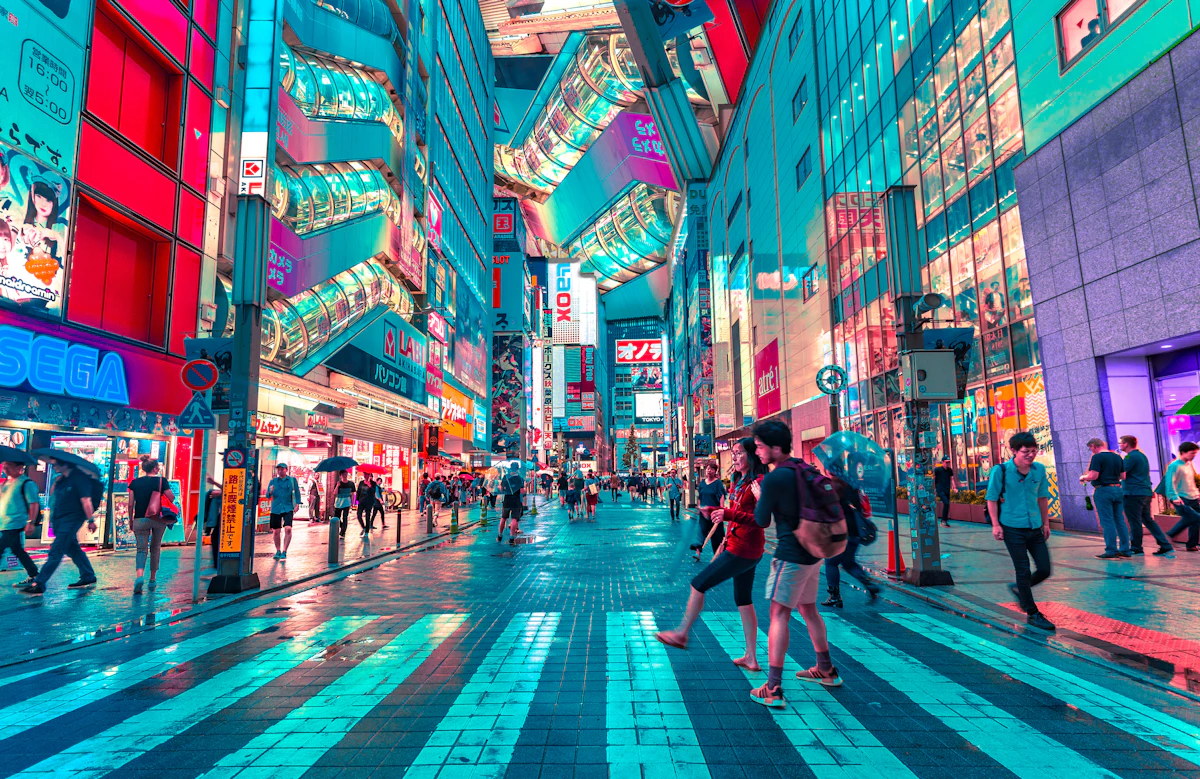
Japan is the most-searched international destination for Indian travellers who’ve already ticked Southeast Asia — and the hesitation is almost always the visa. A japan trip from india is more accessible than it looks: the visa is straightforward, budget flights exist via Singapore and Kuala Lumpur, and Japan’s own prices are surprisingly manageable once you’re there. This guide covers everything from Embassy appointment to your last bowl of ramen, with 2026 prices in INR.
Quick Verdict
| Visa required? | Yes — apply at VFS Japan centre (5–15 working days) |
| Cheapest flights | ₹38,000–₹55,000 return from BOM/DEL (via Singapore or KL) |
| 10-day budget | ₹1,00,000–₹1,40,000 per person including flights |
| Best months | March–May (cherry blossoms) · October–November (autumn) |
| Don’t miss | Fushimi Inari at dawn, Dotonbori street food, Arashiyama bamboo grove |
| Skip | Universal Studios Osaka (overpriced) · Teamlab during peak weekends |
Japan Visa for Indians: Step-by-Step
Indians are not on Japan’s visa-free list — you need a tourist visa in hand before departure. The process is largely paperwork-driven and rarely involves an interview:
- Book flights and hotels first. The Embassy requires confirmed bookings, not tentative plans. Refundable hotel bookings are fine.
- Apply at a VFS Global Japan Visa Application Centre. Centres operate in Mumbai, Delhi, Chennai, Kolkata, Bangalore, and Hyderabad.
- Processing time: 5–10 working days standard; allow 15 working days during March–April (cherry blossom rush).
- Visa fee: ₹760 (single-entry); ₹1,520 (multiple-entry). Pay at the VFS centre.
- Bank statement: Show ₹50,000–₹70,000 in savings, 3-month statement. A joint account is acceptable.
- Itinerary document: A day-by-day outline of your Japan plans — no need to book everything, just list intended hotels and cities.
The single-entry visa typically allows a 15-day stay. Apply for multiple-entry if you plan to visit Japan twice in the same period.
2026 update: Japan is piloting a digital visa application for select nationalities. Indian applicants should check the Japan Embassy New Delhi website for current eligibility — the online portal may be available by the time you read this, cutting processing to 3–5 days.
Flights from India to Japan: Cheapest Routes
Mumbai (BOM) → Tokyo (NRT) or Osaka (KIX)
Budget carriers route via Singapore (Scoot, IndiGo codeshare) or Kuala Lumpur (AirAsia X):
| Route | Layover | Economy return (advance) |
|---|---|---|
| BOM → NRT (via SIN) | 1h 30m–2h | ₹40,000–₹55,000 |
| BOM → KIX (via KUL) | 1h 45m–2h 30m | ₹38,000–₹52,000 |
| BOM → NRT (Air India direct) | None | ₹72,000–₹95,000 |
Delhi (DEL) → Tokyo (NRT)
Air India operates a nonstop Delhi–Tokyo service. Budget travellers still save ₹25,000+ by connecting:
| Route | Layover | Economy return (advance) |
|---|---|---|
| DEL → NRT (via SIN) | 1h 30m–2h | ₹42,000–₹58,000 |
| DEL → NRT (Air India direct) | None | ₹65,000–₹88,000 |
Bangalore (BLR) → Tokyo/Osaka
No direct flights exist from Bangalore. Best value: BLR → SIN → NRT via Scoot (₹44,000–₹60,000 return). Book 10–12 weeks ahead for best prices.
Search all flights from India to Japan →
When to Go: Japan by Season
| Season | Months | What’s on | Crowd & price |
|---|---|---|---|
| Spring | Mar–May | Cherry blossoms (late Mar–early Apr), ideal weather | Very high; book 4–6 months ahead |
| Early summer | Jun | Hydrangeas, fewer tourists, post-blossom pricing | Moderate; 20–30% cheaper than spring |
| Summer | Jul–Aug | Gion Matsuri (July, Kyoto), fireworks festivals | High; hot, humid, occasional typhoon |
| Autumn | Oct–Nov | Maple leaf colours, perfect temperatures | High but manageable; book 2–3 months ahead |
| Winter | Dec–Feb | Christmas illuminations, ski resorts open | Low crowds, cold; best hotel deals |
Sweet spot for Indian travellers: April (cherry blossoms peak) or November (crisp weather, maple colours). Both seasons reward early hotel bookings — plan 4–5 months out.
Tokyo: 4 Days Well Spent
Day 1 — Shinjuku and Shibuya
Start at Shinjuku Gyoen (₹350 entry, 7am opening) — one of Tokyo’s best parks, stunning during cherry blossom season. Walk to Shibuya Crossing in the evening — the world’s busiest pedestrian scramble, completely free, best after dark. Dinner at any yakitori alley under Shinjuku’s train tracks: skewers and beer for ₹900–₹1,400.
Day 2 — Asakusa and Akihabara
Sensoji Temple in Asakusa opens at 6am — arrive early and you’ll have the main gate almost to yourself. Entry is free. Walk Nakamise shopping street for festival snacks (ningyo-yaki rice cakes, ₹120). Afternoon in Akihabara for electronics and Japanese pop culture merchandise.
Day 3 — Kamakura Day Trip
1.5 hours from Tokyo by train (¥1,000 each way, ≈₹590), Kamakura has the Great Buddha at Kotoku-in (₹350 entry) and excellent ramen. Spend 5–6 hours, return in time for dinner. Alternatively, Nikko (2 hrs) has UNESCO-listed shrines and waterfalls — better for history, Kamakura better for photos.
Day 4 — Odaiba + Harajuku
Odaiba is a bay-side district with free views of the Rainbow Bridge and city skyline. Harajuku’s Takeshita Street is peak Japanese street fashion — walk-through is free, budget ₹500–₹1,500 for crepes and accessories.
Book a Tokyo guided day tour — guides who know the temples and timing save you hours of confusion.
Kyoto and Osaka: The 3-Day Classic
Take the Shinkansen from Tokyo to Kyoto — 2 hours 20 minutes, ¥13,320 (≈₹7,900). The 7-day JR Pass costs ¥50,000 (≈₹29,500) and covers unlimited Shinkansen travel for a week. It pays off if you plan Tokyo → Kyoto → Osaka → Tokyo with 2+ additional day-trip trains. Purchase the JR Pass before leaving India — it’s not available to residents.
Kyoto (2 days)
- Fushimi Inari Taisha: 10,000 vermilion torii gates climbing the mountain — free, 24-hour access, go at 6am or after 6pm to beat the crowds. The full hike is 4 km (2–4 hrs return).
- Arashiyama bamboo grove: 15 minutes from Kyoto station by train; free, best at 7–8am. Combine with Tenryu-ji Temple garden (₹480 entry).
- Nishiki Market: Kyoto’s covered food market — grilled skewers, tofu donuts, pickled vegetables. Allow 90 minutes and ₹800–₹1,500 for snacks.
- Gion District at dusk: The preserved geisha neighbourhood is free to walk. Hanamikoji Street in the early evening (5–8pm) is your best chance to spot a geiko or maiko.
Osaka (1 day)
- Dotonbori: Japan’s most famous food street. Budget ₹1,500–₹2,500 for takoyaki (₹250), okonomiyaki (₹600), and kushikatsu (fried skewers from ₹80 each).
- Osaka Castle Park: Free to enter the park; castle tower museum costs ₹850. Skip the museum, explore the grounds.
- Kuromon Ichiba Market: 580 stalls of seafood, produce, and street snacks. Go at 10am when it opens and eat your way through.
Explore Kyoto with a local guide — context on Buddhist and Shinto temple histories turns a day of buildings into something you’ll remember.
Budget Breakdown: 10 Days Per Person (INR)
| Item | Budget option | Mid-range |
|---|---|---|
| Return flights from BOM/DEL | ₹42,000 | ₹72,000 |
| Accommodation (10 nights) | ₹22,000 | ₹58,000 |
| Food and drink | ₹12,000 | ₹22,000 |
| Transport (JR Pass + IC card) | ₹32,000 | ₹36,000 |
| Attractions and activities | ₹8,000 | ₹18,000 |
| Japan tourist visa fee | ₹760 | ₹760 |
| Travel insurance | ₹3,000 | ₹4,500 |
| Total per person | ₹1,19,760 | ₹2,11,260 |
Budget accommodation: Capsule hotels (₹1,500–₹2,500/night), 6–8 bed dorms (₹1,200–₹1,800), or Toyoko Inn business hotels (₹3,800–₹5,500/night) for a private room.
Mid-range: APA Hotels, Dormy Inn chain, or smaller ryokan (traditional inn) — ₹5,500–₹9,000/night including breakfast.
Search Tokyo and Kyoto hotels →
Getting Around Japan
Shinkansen (bullet train): Tokyo to Kyoto in 2h 20m, Tokyo to Osaka in 2h 30m. The JR Pass is worth buying before departure if you’re covering more than one intercity leg.
IC card (Suica or Pasmo): The rechargeable tap card that works on every train, bus, subway, and convenience store in Japan. Get one at Tokyo or Osaka airport on arrival, top up ¥5,000–¥10,000. Eliminates the need to buy individual tickets.
Taxis: Expensive. A 15-minute ride in Tokyo costs ¥2,500–¥3,500 (≈₹1,500–₹2,100). Use only for luggage runs or when trains stop.
eSIM: Roaming data from Indian carriers in Japan is either blocked or costs ₹600–₹900/day. Buy a Japan eSIM before you board the flight — Airalo Japan data plan starts from ₹720 for 3 GB (enough for 10–12 days of maps and messaging). Activate it on the plane and you’ll have data the moment the wheels touch down at Narita or Kansai.
Car rental: Not recommended in Tokyo or Osaka — train networks are faster. Useful for rural Kyoto, the Japanese Alps, or Hokkaido. An International Driving Permit (obtained in India via AA) is mandatory. DiscoverCars Japan rentals start from ₹3,200/day for a compact, including basic insurance.
Airport Transfers: Plan Ahead
Tokyo Narita (NRT) is 60 km from the city. Options:
| Option | Time | Cost |
|---|---|---|
| Narita Express (N’EX) train | 60 min to Shinjuku | ¥3,070 (≈₹1,820) |
| Limousine bus | 90–120 min | ¥3,200 (≈₹1,900) |
| Private transfer | 70–90 min | ¥7,000–¥12,000 (≈₹4,150–₹7,100) for 1–3 pax |
Tokyo Haneda (HND) is 30 km from the city — much closer. The Tokyo Monorail to Hamamatsucho station takes 20 minutes and costs ¥510 (≈₹300).
Osaka Kansai (KIX) is well-served by the Haruka express train (75 minutes to Kyoto, ¥3,390 ≈ ₹2,010).
Book your Japan airport transfer in advance — peak season (April, November) sees private transfer prices jump 40–60%.
Practical Tips for Indian Travellers
Food: Japanese cuisine offers solid vegetarian options at most ramen and noodle shops — look for yasai (vegetable) ramen or zaru soba (cold buckwheat noodles, no dashi). Sushi-go-round restaurants always have tamago (egg) and vegetable rolls. Convenience stores (7-Eleven, FamilyMart, Lawson) stock onigiri, sandwiches, and instant noodles from ₹120–₹250. Indian restaurants cluster around Shinjuku and Roppongi in Tokyo.
Cash: Japan is still heavily cash-dependent outside major tourist areas. Carry ¥20,000–¥40,000 (≈₹12,000–₹24,000) at all times. 7-Eleven ATMs reliably accept Indian Visa/Mastercard debit cards. A zero-forex credit card or Wise multi-currency card saves 3–5% on every transaction versus standard bank cards.
Travel insurance: Japan’s medical costs are among Asia’s highest — a single ER visit can exceed ₹25,000. A 10-day Japan insurance policy costs ₹2,500–₹4,000. Compare travel insurance options →
Visa-free alternatives: If the Japan visa process feels like too much for your first international trip, check the full list of visa-free countries for Indians — 60+ destinations require no advance paperwork.
Plan your itinerary: Use the TripXenia AI planner to build a day-by-day Japan itinerary — input your budget and travel dates and get a custom plan with restaurant and hotel suggestions.
Final Word
Japan rewards the effort of getting there. The visa adds a fortnight of lead time but not complexity. Budget ₹1,20,000–₹1,40,000 for 10 days and you’ll eat extremely well, cover Tokyo, Kyoto, and Osaka, and come back with a list of things you want to return for. Go in April for cherry blossoms if you can plan far enough ahead — or save money and go in November instead, when the maple colours are just as photogenic and the crowds half as thick.
Search flights from India to Japan →
Related Articles
Get the Best Fares First
Weekly deal alerts for Australian travellers. Unsubscribe anytime.
Plan Your Trip